


Yours
The plan. The route. The pace. The reserve. What to ask for, and when. What to watch, and what to ignore.
In development for PC

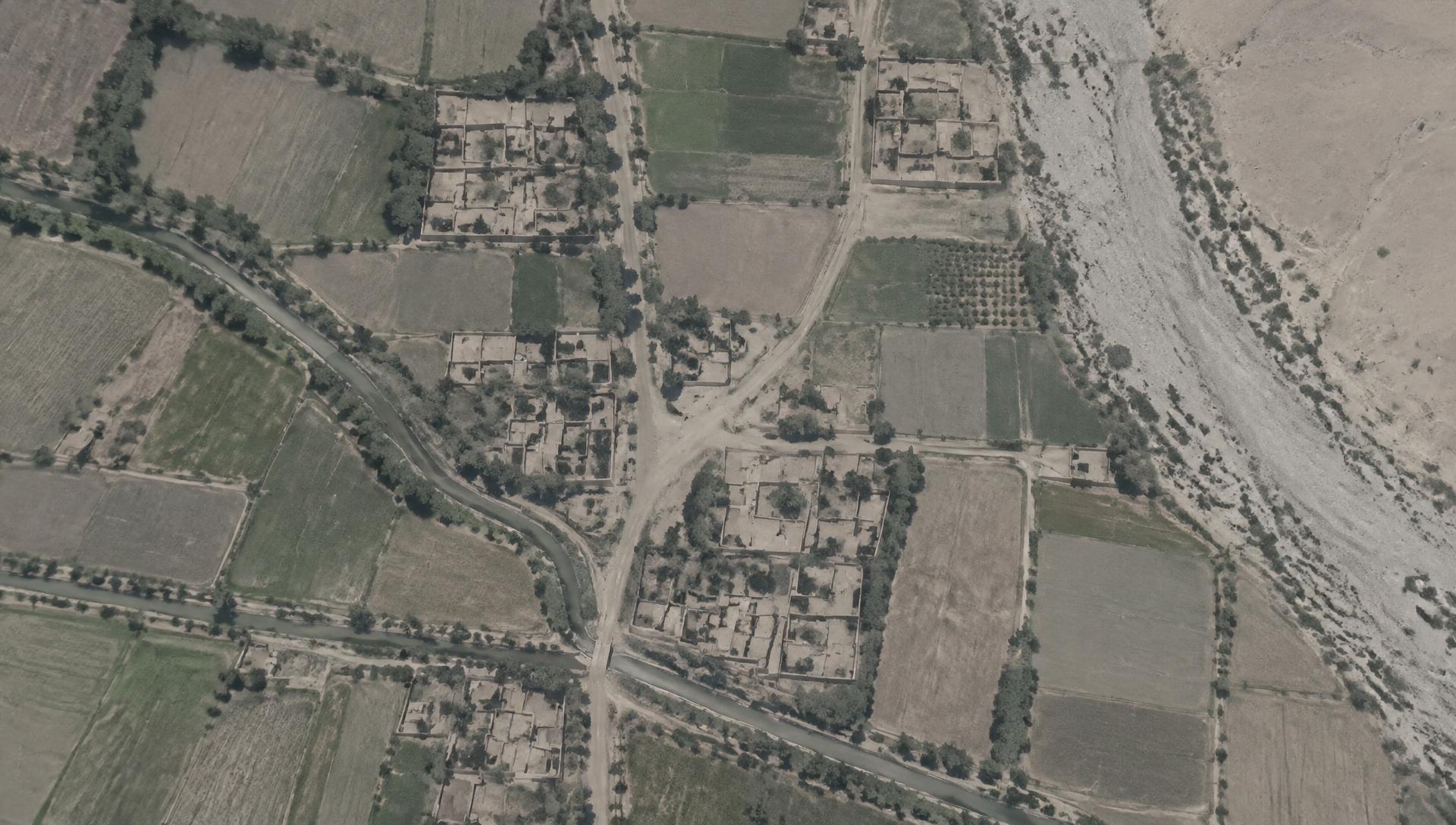
The fog of war is real. Your platoon is in contact and all you have is a radio, a bad drone feed and a map you plot by hand. You hear it late. You see it badly. You decide anyway.
Station 02 / The brief
Contact: Wait Out is a command game. Not a strategy game. Not a shooter. You are the operations officer. Your platoon is out on the ground and you are not. Everything you know about the battle arrives through a radio, a drone with a narrow view, a helmet camera pointing at a wall, a chat log and a sand table you keep up to date by hand.
Your decisions are good or bad based on what you knew at the time. Not what was true.
You never control a soldier. You never see the battle cleanly.
Speed or caution. Where the helicopter lands. Which route the patrol takes.
Power cuts. Incoming fire. A radio that dies mid-sentence.
Procedural ground and an enemy network that learns your habits.
Correct procedure and correct language, learned by doing.
Station 03 / Screen wall
The choice of what not to watch is yours. Make it again every time the situation moves.
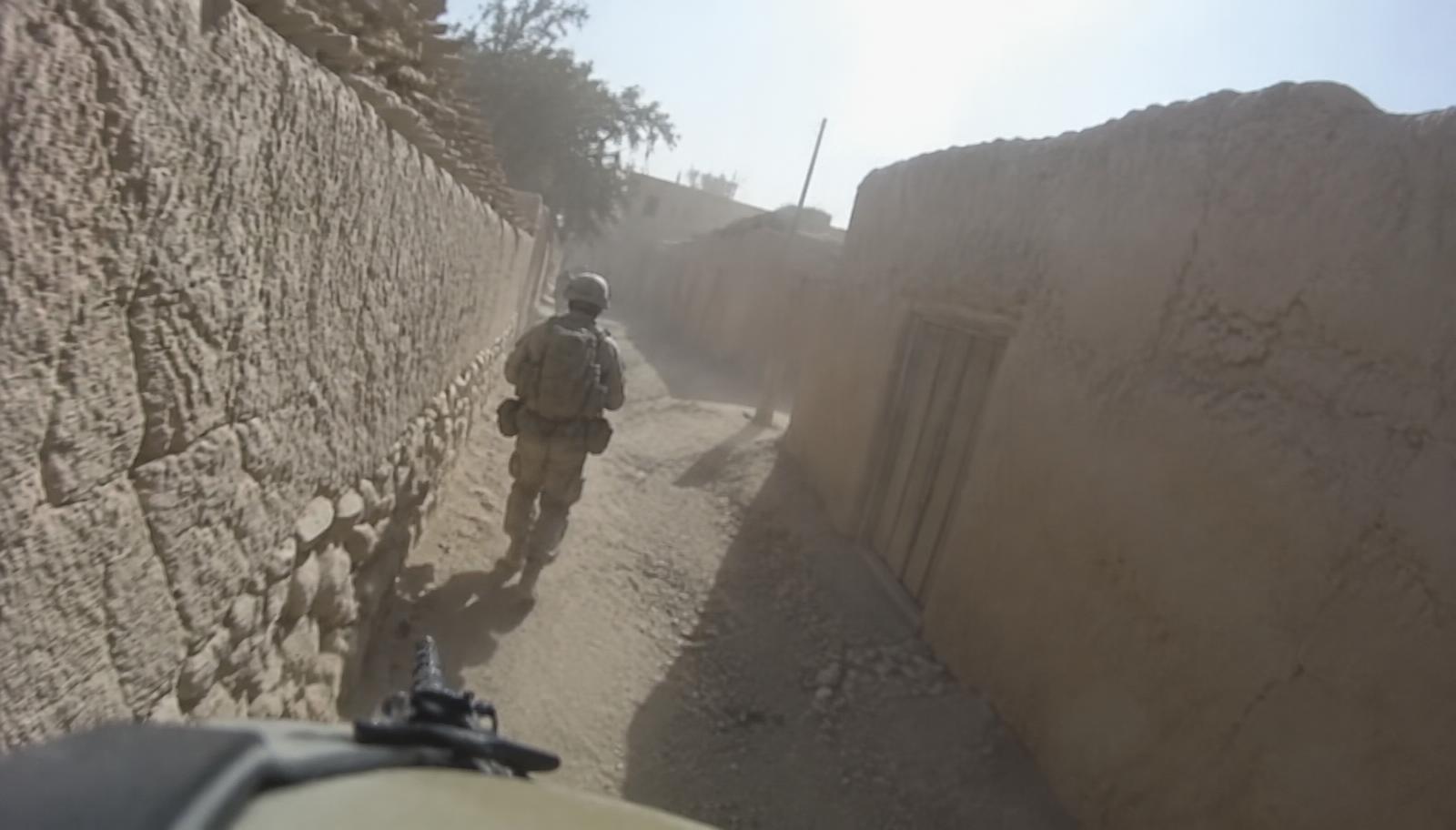
Nothing is rationed. Everything is degraded. The helmet camera shows you nothing useful exactly when you most want it to.
Station 04 / Sand table
It is your picture of the battle, built by hand from what you were told. The game never tells you it is wrong until the review.
At 1400, the table shows 1 SECTION JUST REPORTED, 2 SECTION JUST REPORTED, PL HQ JUST REPORTED.
%22%20fill-opacity%3D%221%22%20%3E%3C%2Fpath%3E%3Cpath%20d%3D%22M60%2C70L140%2C130M60%2C130L140%2C70%22%20stroke-width%3D%223%22%20stroke%3D%22black%22%20fill%3D%22black%22%20%3E%3C%2Fpath%3E%3C%2Fsvg%3E) Solid frame: reported to you
Solid frame: reported to you%22%20fill-opacity%3D%221%22%20%3E%3C%2Fpath%3E%3Cpath%20d%3D%22M%20100%2C28%20L172%2C100%20100%2C172%2028%2C100%20100%2C28%20Z%22%20stroke-width%3D%225%22%20stroke-dasharray%3D%228%2C12%22%20stroke%3D%22rgb(239%2C%20239%2C%20239)%22%20fill%3D%22none%22%20%3E%3C%2Fpath%3E%3Cpath%20d%3D%22M60%2C70L140%2C130M60%2C130L140%2C70%22%20stroke-width%3D%223%22%20stroke%3D%22black%22%20fill%3D%22black%22%20%3E%3C%2Fpath%3E%3C%2Fsvg%3E) Dashed frame: your own assumption
Dashed frame: your own assumption%22%20fill-opacity%3D%221%22%20%3E%3C%2Fpath%3E%3Cpath%20d%3D%22M25%2C50%20L175%2C150%20M25%2C150%20L175%2C50%22%20stroke-width%3D%223%22%20stroke%3D%22black%22%20fill%3D%22black%22%20%3E%3C%2Fpath%3E%3Cg%20transform%3D%22translate(0%2C0)%22%20stroke-width%3D%224%22%20stroke%3D%22black%22%20fill%3D%22none%22%20%3E%3Ccircle%20cx%3D%22100%22%20cy%3D%2230%22%20r%3D%227.5%22%20fill%3D%22black%22%20%3E%3C%2Fcircle%3E%3C%2Fg%3E%3Ctext%20x%3D%225%22%20y%3D%22160%22%20text-anchor%3D%22end%22%20font-size%3D%2240%22%20font-family%3D%22Arial%22%20stroke-width%3D%224%22%20stroke%3D%22none%22%20fill%3D%22black%22%20%3E1%3C%2Ftext%3E%3C%2Fsvg%3E) Blue rectangle: own forcesRed diamond: enemy
Blue rectangle: own forcesRed diamond: enemyGround truth is only ever shown in the after action review.
Station 05 / The nets
Every net is a radio set on a bench, with a speaker, a handset and a signaller. To talk, you cross the room. While you are answering the company commander on one net, the platoon is still talking on the other, behind you.
Pick up a handset. You can only attend to one.
[Contact report. Wait out.]
[Company passes a warning from a neighbouring patrol base]
You never lose awareness of a net. You lose the ability to attend to it.
Station 06 / The orders
You command the platoon and everything the base can bring to bear: the mortars, the drone, the quick reaction force, the helicopter. You do not aim a rifle or choose a fire position. The platoon commander on the ground has his own judgement, and his sections carry out your intent as they see it, with what they can see. Stay silent too long and he will act without you.
The plan. The route. The pace. The reserve. What to ask for, and when. What to watch, and what to ignore.
The fire positions. The fight itself. What they report, and what they leave out. What they do when you say nothing.
The mission comes first. Bringing everyone home comes a very close second.
Some days you will not manage both.
It starts with one platoon and one room. The seat is built to scale: a company's worth of patrol bases, a battle group headquarters in the desert, a strike operations room in a hangar. Bigger rooms, more nets, further from the fight.
Later tiers are ambitions, not promises. The first release is the platoon.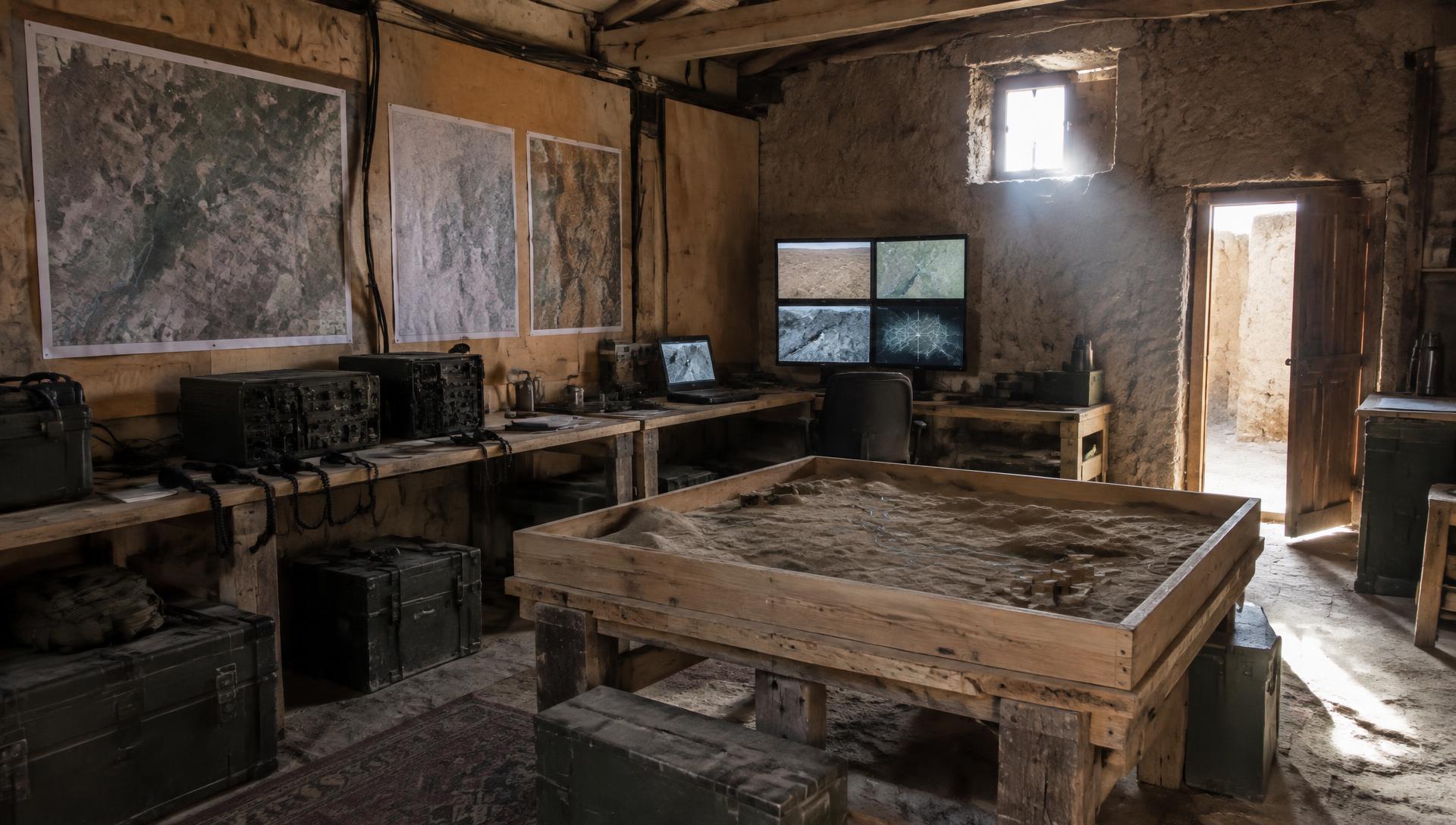
Station 07 / The room
The ops room is a source of pressure, not a menu screen.
A warning, then impacts. Helmet on, hard cover, then account for your people and rebuild the picture.
The screens and the chat die together. The radios drop to battery. Someone has to walk to the generator.
A net goes quiet and you do not know whether that is the radio or the patrol.
Someone in the base is hit. Treat them, or task the medic, and keep the net running.
Station 08 / The platoon
Every soldier has a name. Consequences are permanent. There is no reload and no retry. When you lose someone, the name changes state on the board and stays on the wall.
Framework patrol. Deliberate clearance. React to contact. IED find and clearance. CASEVAC.
One section waits at the base as your quick reaction force. Committing it is the decision that leaves you with nothing.
Water, ammunition and fatigue are real for every soldier. You never see a number. You hear the platoon sergeant's judgement, in his words, when he chooses to give it.
Pick up the handset and speak. Voice is optional, and everything you can say has a button.
Use the same track at the same time every day and you will find out why that was a mistake.
Three tracks against one clock: what happened, what you believed, and what was lost on the way to you.
In development. Features describe the intended first release and may change.
The people behind the room

Design and military realism
Over a decade in the British Army, regular and reserve, including a deployment to Helmand Province, Afghanistan, as an operations officer. The room in this game, the pressure in it and the silence on the net are drawn from that. He is the game's designer and the final word on how it really works.

World, art and engine
Builds everything you will see through the feeds and everything you can touch in the room. Co-founded Mercury Arts and worked with Offworld Industries on the relaunch of Post Scriptum.
Between them they have more than a decade in defence training and simulation, most of it in Unreal Engine. Contact: Wait Out is the game they wanted to exist.
The theatre, the units and the people in the game are invented. The room is not.
Station 09 / Report for duty
Contact: Wait Out - An ops room command game
No release date yet. Leave an email address and we will tell you when there is something to play, and nothing else.
We store your address to send you news about this game. Nothing else, never passed on, and you can remove yourself at any time. Privacy notice.